
Published
4 minute read
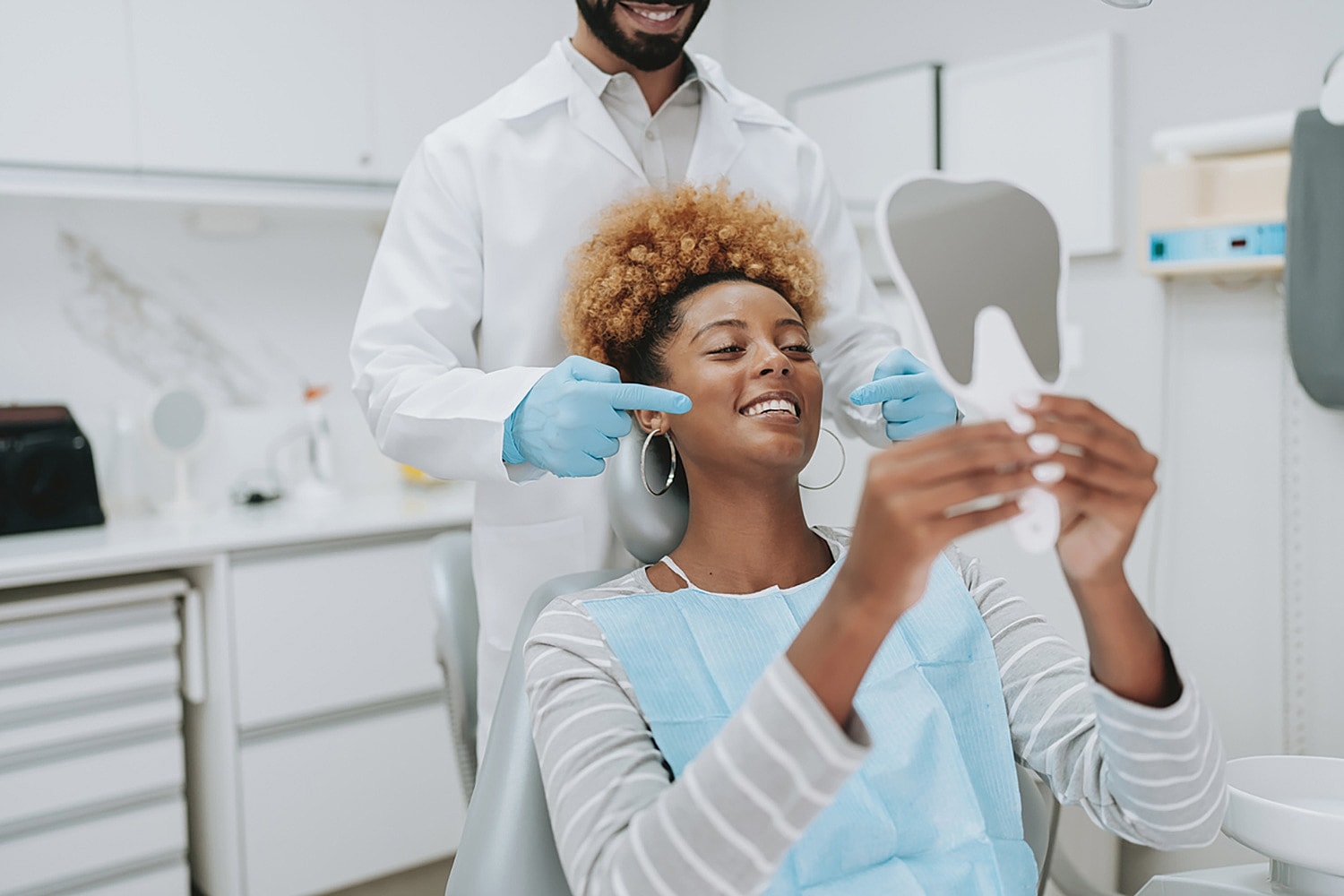
For decades, dentistry has focused on repairing damage after it happens—fillings for cavities, grafts for gum recession, crowns for worn teeth. But modern dentistry is evolving beyond repair and moving toward regeneration.
At Yeo Family Dental Group, we believe dentistry should support long-term oral health, preserve natural structures whenever possible, and work with the body’s biology instead of against it. One of the most exciting developments in this field is the use of peptides and biologic therapies in dentistry.
These advanced treatments are helping patients heal faster, regenerate tissue more effectively, and support healthier teeth and gums with minimally invasive approaches.
Peptides are short chains of amino acids that act as signaling molecules in the body. They help regulate healing, inflammation, collagen production, tissue regeneration, and cellular communication.
In dentistry, peptides and biologic materials are being used to:
Think of peptides as messengers that help guide the body into repair and regeneration mode.
Traditional dentistry often treats symptoms after damage has already occurred. Regenerative dentistry focuses on preserving healthy tissue and encouraging the body to heal itself whenever possible.
This approach aligns closely with longevity dentistry and anti-aging dentistry, where the goal is to help patients maintain their natural teeth and oral health for as long as possible.
Biologic therapies and peptides are becoming important tools in this shift because they allow us to support healing at a cellular level.
One of the most exciting peptide-based technologies in dentistry is Curodont.
Rather than drilling and filling very early cavities, Curodont uses biomimetic peptide technology to help encourage natural enamel remineralization. The peptide works by creating a framework that attracts calcium and phosphate minerals back into weakened enamel.
This allows some early-stage lesions to be treated non-invasively before they progress into larger cavities.
Benefits of Curodont may include:
For patients focused on prevention and longevity, this type of treatment represents a major advancement in modern dentistry.
Gum recession and periodontal disease have traditionally been difficult to reverse. Emdogain is a biologic material designed to support the regeneration of lost periodontal tissues.
Used during periodontal procedures, Emdogain helps stimulate the body’s natural regenerative processes and may assist in rebuilding:
This treatment can be especially beneficial for patients experiencing gum recession, bone loss, or advanced periodontal disease.
By encouraging more natural tissue regeneration, treatments like Emdogain support a more conservative and biologically driven approach to periodontal therapy.
Platelet-rich plasma (PRP) therapy is another exciting advancement in regenerative dentistry.
PRP is created using the patient’s own blood, which is processed to concentrate growth factors and healing proteins. When combined with microneedling techniques, PRP can help stimulate tissue repair and collagen production in the gums.
Potential benefits may include:
Because PRP uses the body’s own healing factors, many patients appreciate its natural and minimally invasive approach.
Regenerative dentistry is not just about procedures—it is also about creating a healthier oral environment every day.
Products designed to support remineralization and gum health may help strengthen teeth, reduce inflammation, and support a balanced oral microbiome as part of a comprehensive preventive strategy.
Long-term oral health is influenced by many factors, including:
When combined with advanced regenerative therapies, these daily habits can play an important role in preserving oral health over time.
Dentistry is changing. Patients today are looking for treatments that are minimally invasive, biologically compatible, and designed to preserve natural teeth whenever possible.
At Yeo Family Dental Group, we are passionate about integrating evidence-based regenerative therapies into modern dental care. Whether through peptide technologies like Curodont, biologic regenerative materials like Emdogain, or PRP-supported healing protocols, our focus is always on helping patients achieve stronger, healthier smiles for the long term.
The future of dentistry is not simply about repairing damage.
It is about helping the body heal, regenerate, and thrive.
If you are interested in learning more about peptide-based therapies, oral rejuvenation, or longevity-focused dentistry, contact Yeo Family Dental Group to schedule a consultation.
We would be happy to discuss whether regenerative dental therapies may be appropriate for your smile and long-term oral health goals.